

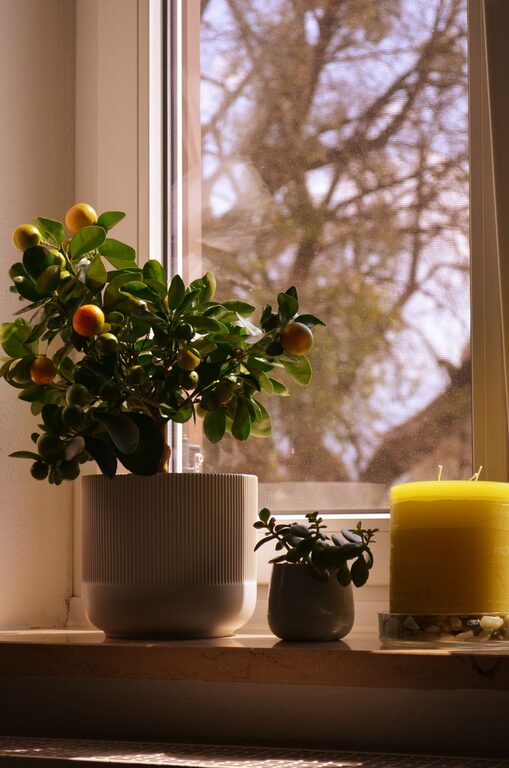
Bringing plants into your home is one of the easiest and most rewarding ways to refresh your living space. Not only do plants add beauty and life to your rooms, but they also contribute to a healthier environment by improving air quality. Whether you’re a seasoned plant parent or just starting out, this guide will walk you through practical steps to transform your home with greenery.
Why Add Plants to Your Home?
Before diving into the how-to, it’s helpful to understand the benefits plants offer:
– Improved Air Quality: Many indoor plants filter toxins and release oxygen.
– Mood Enhancement: Being around greenery can reduce stress and improve well-being.
– Visual Appeal: Plants add color, texture, and interest to any room.
– Natural Humidifiers: Some plants release moisture, helping dry indoor air.
Now, let’s look at how to effectively bring these benefits into your home.
Choosing the Right Plants for Your Space
Assess Your Lighting Conditions
Plants have different light requirements. Before selecting, observe the natural light in your home:
– Bright, Direct Light: Near south-facing windows.
– Bright, Indirect Light: East or west-facing windows.
– Low Light: Rooms without much natural sunlight.
Easy Plants for Beginners
If you’re new to plant care, start with resilient varieties:
– Snake Plant: Tolerates low light and irregular watering.
– Pothos: Thrives in low to bright indirect light; very forgiving.
– Spider Plant: Adaptable and helps purify air.
– ZZ Plant: Survives low light and needs infrequent watering.
Plants for Bright Spaces
For sunnier spots, consider:
– Succulents and Cacti: Require lots of light and minimal water.
– Fiddle Leaf Fig: Popular statement plant, loves bright indirect light.
– Rubber Plant: Glossy leaves and easy care with sufficient light.
Where to Place Plants for Maximum Impact
Living Room
Add a large potted plant in a corner to create a focal point or place smaller plants on shelves and coffee tables to introduce greenery at eye level.
Kitchen
Herb pots on the windowsill not only look great but provide fresh ingredients for cooking.
Bedroom
Choose plants that promote relaxation, such as lavender or snake plants, and place them on nightstands or dressers.
Bathroom
Tropical plants like ferns and orchids thrive in the humid environment of bathrooms.
Styling Tips for a Plant Refresh
Use Decorative Pots and Planters
Match pot colors and textures to your home decor style—ceramic, terracotta, woven baskets, or metal containers all add character.
Create Plant Groupings
Cluster plants of varying heights and leaf shapes to create visual interest. Use plant stands or wall shelves to layer greenery vertically.
Mix with Other Decor Elements
Complement plants with natural materials like wood, stone, or woven textiles to enhance a cozy, organic feel.
Basic Plant Care Tips to Keep Your Greenery Thriving
– Watering: Check soil moisture before watering; avoid overwatering.
– Feeding: Use a balanced fertilizer during growing seasons.
– Cleaning: Wipe leaves with a damp cloth to remove dust.
– Repotting: Refresh soil and pots as plants grow.
– Pest Control: Inspect regularly and treat issues early with natural remedies.
Seasonal Plant Refresh Ideas
– Spring: Add fresh blooms and prune plants to encourage growth.
– Summer: Rotate pots to maximize light exposure.
– Fall: Incorporate autumn colors with seasonal flowers.
– Winter: Use artificial grow lights if natural light is limited.
Final Thoughts
Refreshing your home with plants is a simple way to bring nature indoors, lift your mood, and enhance your decor. Start small, observe how your plants respond, and enjoy the process of creating a green sanctuary that feels uniquely yours.
Happy planting!