

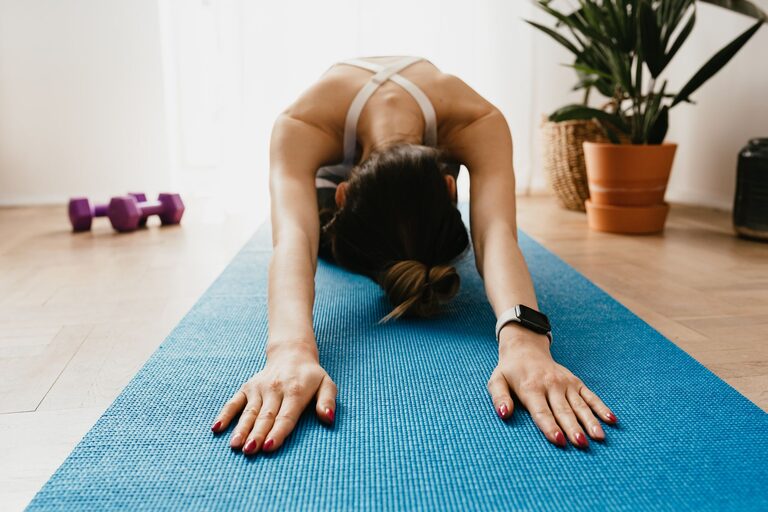
Stretching is a simple yet powerful practice that can enhance your flexibility, relieve muscle tension, and support your overall health. Whether you’re new to fitness or looking for gentle ways to move more throughout the day, stretching at home provides a convenient and effective option. In this beginner’s guide, we’ll explore the benefits of stretching, essential techniques, and easy routines you can try without any special equipment.
Why Stretching Matters
Stretching is more than just a warm-up for exercise. Regular stretching helps maintain muscle elasticity, improves joint mobility, and can reduce feelings of stiffness or discomfort. Here are some key benefits:
– Increases flexibility: Allows your muscles and joints to move through a wider range of motion.
– Improves posture: Helps balance muscle tension, reducing slouching and strain.
– Reduces stress: Gentle stretches can relax both body and mind.
– Prevents injury: Keeping muscles supple decreases the chance of strains during physical activity.
– Enhances circulation: Stretching encourages blood flow to muscles and tissues.
Getting Started: Tips for Safe Stretching
Before you begin stretching at home, keep these simple safety tips in mind:
- **Warm up briefly:** Stretching cold muscles can lead to injury. Try 5 minutes of light activity like walking or marching in place.
- **Move slowly and gently:** Avoid bouncing or forcing stretches. Hold every stretch steadily.
- **Breathe deeply:** Inhale and exhale fully to help muscles relax.
- **Listen to your body:** You should feel a gentle pull, not pain. Ease off if a stretch feels uncomfortable.
- **Be consistent:** Aim to stretch 3–5 times per week for best results.
Basic Types of Stretching
There are two primary types of stretching you can incorporate into your home routine:
Static Stretching
This involves holding a stretch position steadily for 15–60 seconds. It’s ideal after a workout or when you’re relaxing.
Dynamic Stretching
These are controlled, gentle movements through your full range of motion that help warm up muscles before activity. Examples include leg swings or arm circles.
For beginners, starting with static stretches is often easiest and safest.
Essential Stretches for Beginners
Here are some simple stretches targeting major muscle groups:
1. Neck Stretch
– Sit or stand tall.
– Slowly tilt your head to the right, bringing your ear toward your shoulder.
– Hold for 20 seconds and switch sides.
– Repeat 2–3 times each side.
2. Shoulder Stretch
– Extend your right arm across your chest.
– Use your left hand to gently press the arm closer to your chest.
– Hold for 20 seconds, then switch arms.
– Repeat 2 times per side.
3. Chest Opener
– Stand with feet hip-width apart.
– Clasp your hands behind your back.
– Straighten your arms and lift your chest slightly.
– Hold for 20–30 seconds.
4. Seated Forward Fold
– Sit with legs extended straight ahead.
– Slowly reach forward toward your toes, keeping your back straight.
– Stop when you feel a stretch in your hamstrings.
– Hold for 30 seconds.
5. Cat-Cow Stretch (for spine mobility)
– Start on all fours with wrists under shoulders and knees under hips.
– Inhale: arch your back, drop your belly, and look upward (Cow).
– Exhale: round your spine, tuck your chin, and pull belly in (Cat).
– Repeat this sequence 8–10 times.
6. Standing Quadriceps Stretch
– Stand on one leg.
– Bend the other knee and grab your ankle behind you.
– Pull your foot gently toward your buttocks.
– Hold for 20 seconds, then switch sides.
Creating a Stretching Routine at Home
A balanced routine covers all major muscle groups and fits your daily schedule:
– Choose 4–6 stretches from the list above.
– Hold each stretch for 20–30 seconds.
– Repeat each stretch 2 times.
– Aim for about 10–15 minutes per session.
– Perform stretches after light activity or as a relaxing break during the day.
Sample Morning Stretch Routine
- Neck Stretch – 20 seconds each side
- Shoulder Stretch – 20 seconds each arm
- Cat-Cow Stretch – 10 reps
- Seated Forward Fold – 30 seconds
- Standing Quadriceps Stretch – 20 seconds each leg
Tips to Stay Motivated
– Set a consistent time: morning or evening.
– Use guided videos or apps for support.
– Stretch with a friend or family member.
– Notice improvements in mobility and how you feel.
– Combine stretching with deep breathing or meditation for added relaxation.
When to Consult a Professional
Most people can safely stretch at home, but if you have injuries, chronic pain, or medical conditions, check with a healthcare provider or physical therapist for personalized advice.
—
Stretching at home is an accessible way to take care of your body and mind. With just a few minutes each day, you can improve your flexibility, reduce tension, and enjoy a greater sense of well-being. Start small, stay consistent, and explore the many benefits that stretching has to offer!